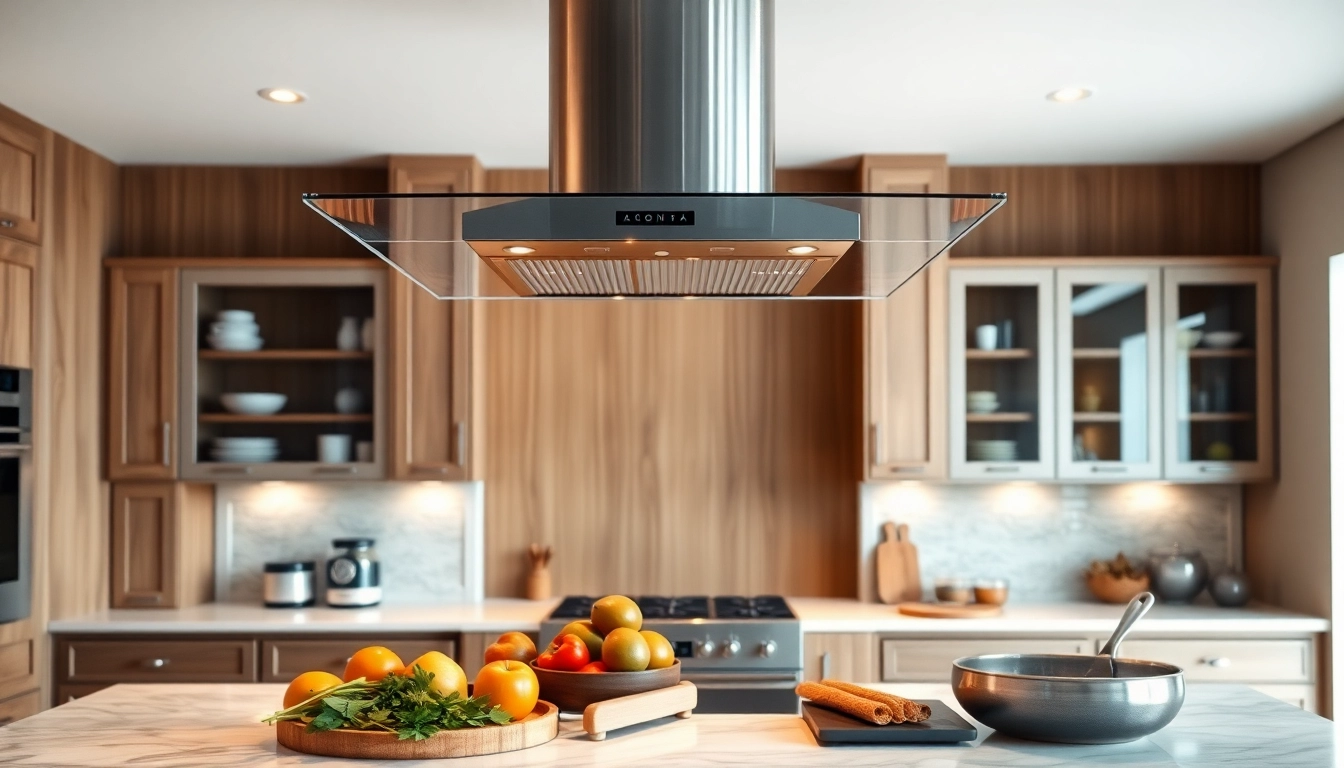
Understanding Island Cooker Extractor Hoods
What is an Island Cooker Extractor Hood?
An island cooker extractor hood is a type of ventilation system specifically designed for kitchen islands. Unlike traditional range hoods, which are typically mounted on a wall above a stovetop, island cooker hoods are suspended from the ceiling directly above a cooking surface situated in an island layout. This design not only facilitates effective ventilation but also enhances the aesthetics of the kitchen by making the range hood a central feature of the space.
How do Island Cooker Hoods Work?
Island cooker hoods function by employing a powerful motor that sucks air upwards through a filtration system. This system is designed to trap grease, smoke, steam, and odorous vapors generated during cooking. The cleaned air is either expelled outside (vented) or recirculated back into the kitchen (ductless), depending on the model and configuration. Most of these hoods feature multiple fan speeds, enabling the user to adjust the extraction rate based on cooking intensity.
Key Features to Look For
When selecting an island cooker extractor hood, several key features can influence both its performance and the overall kitchen experience:
- Powerful Extraction Rate: Measured in cubic feet per minute (CFM), the extraction rate determines how quickly and effectively the hood can remove smoke and odors. A higher CFM rating is preferable for larger kitchens or intensive cooking scenarios.
- Noise Levels: The sound produced by the hood, measured in sones or decibels (dB), should be considered. A quieter model can enhance the cooking experience, especially in open concept spaces.
- Filters: Look for hoods with washable and replaceable filters, such as baffle or charcoal filters, for efficient grease and odor removal.
- Lighting: Integrated lighting options not only provide illumination over the cooking area but also contribute to the kitchen’s ambiance. LED lights are a popular choice due to their efficiency and longevity.
- Design: Choose a style that complements your kitchen’s decor, from sleek and modern to more traditional looks. Materials like stainless steel, glass, or even custom cabinetry finishes can elevate the design.
Benefits of Installing an Island Cooker Extractor Hood
Improved Air Quality in Your Kitchen
One of the primary benefits of installing an island cooker extractor hood is the significant improvement in air quality. By effectively removing airborne particles, smoke, and odors, these hoods create a healthier cooking environment. This is especially essential in open-concept homes where kitchen odors can easily permeate into living areas.
Enhanced Kitchen Aesthetics
In addition to their practical benefits, island cooker hoods serve as striking decorative elements. A well-designed hood can act as a focal point in your kitchen, enhance your style, and showcase your personality. Whether you prefer a minimalist modern hood or a vintage-inspired piece, the right design can bring character and elegance to your cooking space.
Reduction of Smoke and Odors
Cooking, especially at high temperatures, can produce significant smoke and smells that linger in the air. An island cooker extractor hood reduces these by pulling smoke and odors directly from the source, preventing them from settling on surfaces and fabrics in the kitchen and surrounding areas. This proactive approach not only keeps your kitchen cleaner but also reduces the frequency of deep cleaning needed.
Selecting the Right Island Cooker Extractor Hood
Choosing the Right Size for Your Kitchen
When it comes to selecting an island cooker extractor hood, size matters. The hood should align with the size of your stovetop or cooktop. A general rule of thumb is that the hood should be at least 3 inches wider than the cooktop surface on both sides. Height is also crucial; typically, hoods should be mounted 24 to 30 inches above the cooking area, though this can vary based on hood design and local code.
Power and Efficiency Ratings
Evaluating the power and efficiency ratings of available cooking hoods will help ensure you choose a model that meets your cooking style and preferences. Review the CFM ratings to understand the extraction strength of differing models. Efficiency ratings, often represented by energy efficiency classes, provide a scale that helps consumers gauge long-term operational costs.
Style Variations to Match Your Decor
The style of your island cooker extractor hood can greatly impact the overall look and feel of your kitchen. Modern designs range from sleek stainless steel to custom wood finishes. Shaker-style hoods provide a more traditional aesthetic, while industrial styles can offer a contemporary edge. Furthermore, some models incorporate decorative features, enhancing visual appeal without compromising functionality.
Installation Tips for Your Island Cooker Extractor Hood
Professional vs. DIY Installation
Deciding whether to install your island cooker extractor hood yourself or hire a professional depends largely on your skills and the complexity of the installation. While a DIY installation can save money, incorrect installation may lead to inefficient performance or even safety hazards. If you are uncertain, enlisting a licensed electrician and contractor is often wise to ensure compliance with local building codes and safety electrical standards.
Understanding Venting Options
Island cooker hoods can typically be categorized into vented or ductless designs. Vented hoods expel air outside, which is generally more effective than recirculation methods used by ductless hoods. However, ductwork installation can be complex and costly. Alternatively, ductless hoods utilize charcoal filters to clean the air before returning it to the kitchen, which can be an easier and more cost-effective solution in certain situations.
Necessary Electrical and Plumbing Considerations
The installation of an island cooker extractor hood may require special electrical wiring or plumbing considerations, particularly if opting for a unit with lighting or other electronic features. Ensure that the installed unit meets voltage requirements and that there is adequate access to a power outlet. Before installation, check all relevant codes and regulations, as they can vary from one area to another.
Maintenance for Longevity of Island Cooker Extractor Hoods
Regular Cleaning Techniques
To ensure your island cooker extractor hood performs effectively over time, regular maintenance and cleaning are essential. The filters, whether grease filters or charcoal filters, should be cleaned or replaced according to the manufacturer’s recommendations. Most grease filters are dishwasher-safe, while charcoal filters should be replaced regularly. Additionally, regularly wiping down the exterior with appropriate cleaners will prevent grease buildup and corrosion.
Common Issues and Troubleshooting
As with any appliance, you may encounter problems with your island cooker hood. Common issues include reduced suction power, excess noise, or failure to turn on. For reduced suction, first check the filters for grease buildup. A loud noise may indicate that the fan motor has been compromised or that there is insufficient clearance around the hood. Knowing how to troubleshoot minor issues can save you time and money.
When to Call in a Professional
While many maintenance tasks can be handled by homeowners, certain situations warrant professional assistance. If your hood requires extensive electrical work, duct installation, or if you encounter problems beyond routine maintenance, it’s best to consult a qualified technician. A professional can ensure any repairs or installations are executed safely and effectively, preserving the longevity and operation of your appliance.
