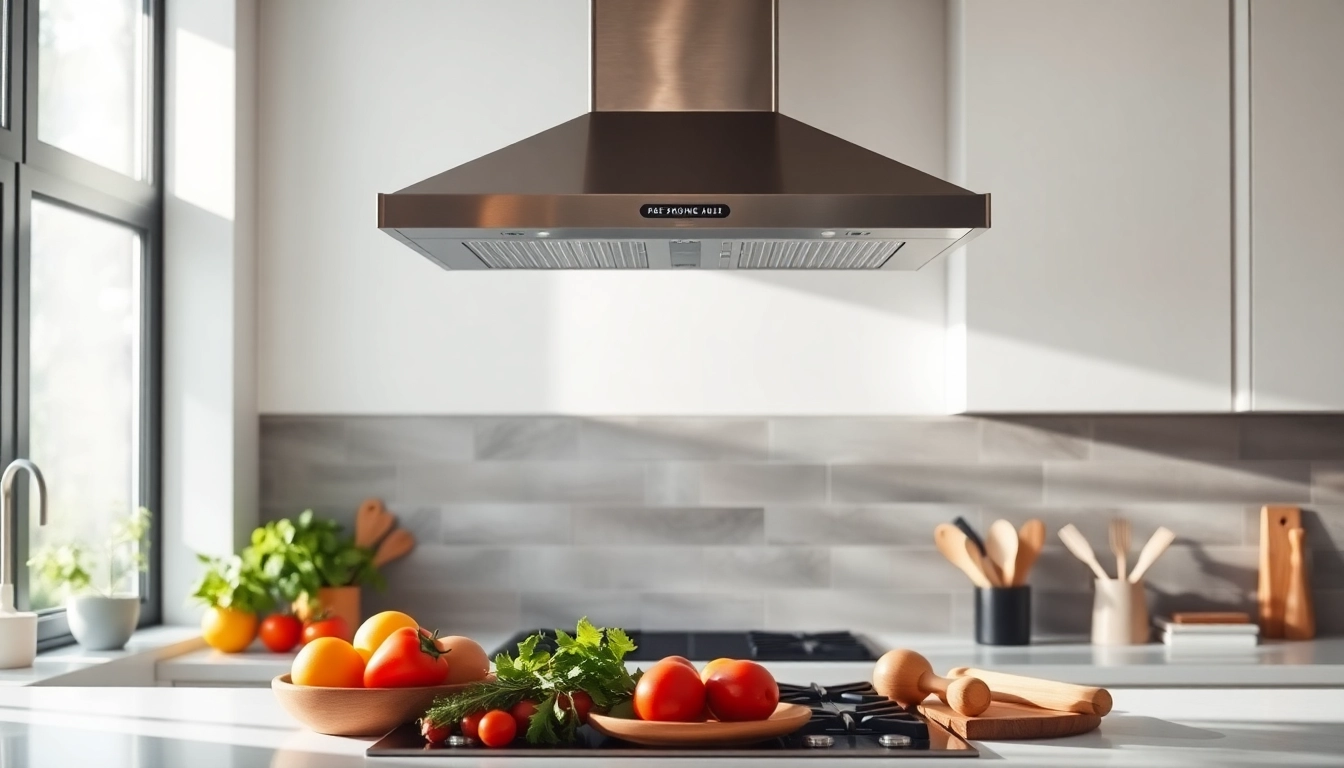
Understanding Ductless Range Hoods
What is a Ductless Range Hood?
A ductless range hood, also known as a recirculating range hood, is a ventilation device installed in kitchens to improve air quality by filtering smoke, grease, and other contaminants. Unlike ducted range hoods that expel air outside through ductwork, ductless models clean the air and recirculate it back into the kitchen. They are particularly popular in apartments and homes where venting outside isn’t feasible.
How Ductless Hoods Work
Ductless range hoods operate using a system of filters to cleanse the kitchen air. When cooking, the hood draws in air and passes it through a series of filters—usually a combination of charcoal filters and grease filters. The grease filter traps larger particles and grease, while the charcoal filter absorbs odors and smaller particles. Finally, the purified air is released back into the kitchen environment. This filtration process makes ductless hoods an effective solution for maintaining a clean and odor-free kitchen atmosphere.
Benefits of Choosing a Ductless Model
There are several advantages to selecting a ductless range hood:
- No Ductwork Required: Ductless range hoods are easier to install than their ducted counterparts since they don’t require complex ductwork.
- Flexible Installation: These range hoods can be placed in various locations around the kitchen, including over islands and in smaller spaces where duct access is limited.
- Cost-Effective: Installation costs are lower, and they generally present a more budget-friendly option for homeowners.
- Energy-Efficient: Since they recirculate air, they do not draw conditioned air out of the home, which can lead to energy savings.
Factors to Consider When Selecting the Best Ductless Range Hood
Size and Fit for Your Kitchen
When selecting a ductless range hood, the size is crucial. The hood should ideally be at least the same width as your cooktop to effectively capture all cooking emissions. Measure your cooking surface and consider both height and depth, as these factors influence performance and appearance. A hood that’s too small will not capture enough air, while one that’s too large can dominate a small kitchen and impede movement.
CFM Ratings and Performance
CFM, or cubic feet per minute, measures the airflow of the range hood. A higher CFM indicates stronger suction. For most home kitchens, a range hood with a CFM between 200 to 600 is sufficient. Consider the type of cooking you do—more intense cooking (like frying or grilling) may require higher CFM ratings for optimal performance. Additionally, ensure that your range hood achieves its rated CFM on the settings you plan to use most often.
Filter Types and Maintenance Requirements
Different ductless hoods use various types of filters that impact maintenance and cost. Common options include:
- Charcoal Filters: Essential for absorbing odors, these filters generally need to be replaced every 3 to 6 months, depending on usage.
- Grease Filters: Usually made of aluminum, these filters can often be cleaned and reused. Regular cleaning is necessary to ensure peak performance.
Understanding the maintenance requirements of these filters will help you choose a model that fits your lifestyle and budget.
Top Picks for the Best Ductless Range Hoods of 2025
Review of Leading Brands and Models
With numerous options on the market, it can be challenging to find the best ductless range hood. Here are some top contenders for 2025, based on customer reviews and expert evaluations:
- Ciarra HOOD TO GO – A portable option, perfect for small spaces.
- Broan-NuTone RL6200 Series – Known for its reliability and efficiency, this model offers integrated lighting and easy filter access.
- ZLine ZLKB-30 – A wall-mounted option with a 600 CFM rating, appreciated for its design and performance.
Details about each product, including price, specifications, and unique features can be found in retailers or through reviews on various platforms.
Price Ranges and Where to Buy
The price of ductless range hoods can vary significantly based on brand, size, and features. On average, you can expect to pay anywhere from $100 to $600 for a quality model. Budget options might start around $50, while high-end models can exceed $1,200. Retailers such as Amazon, Home Depot, and specialty kitchen appliance stores often carry a range of these products, allowing you to compare prices and read reviews.
User Reviews and Feedback
Before making a purchase, reading user reviews can provide insight into each model’s performance. Customers often highlight factors like ease of installation, noise levels, and efficacy in removing odors. Many products also have detailed specifications, which clear up any potential doubts regarding their compatibility with your kitchen setup. A comprehensive understanding of consumer experiences can lead you to the best ductless range hood suited to your needs.
Installation Tips for Ductless Range Hoods
Preparing Your Kitchen Space
Ensure that the area above your cooking surface is clear and ready for installation. You may need to remove existing cabinetry or adjust shelving to accommodate the new range hood. Measuring the distance between the cooktop and the base of the hood is crucial for safe and effective operation; the standard range is typically between 24 to 30 inches, depending on the type of cooking.
Step-by-Step Installation Guide
Installing a ductless range hood typically involves the following steps:
- Read the manufacturer’s manual thoroughly to understand specific installation requirements.
- Gather all necessary tools, including a drill, measuring tape, and level.
- Secure the mounting bracket in place according to the measurements taken.
- Attach the hood to the bracket, ensuring it is level and appropriately fitted.
- Plug in the hood, check all electrical connections, and install any required filters.
It’s advisable to consult a professional if you’re unfamiliar with electrical installations.
Common Mistakes to Avoid
While installing your ductless range hood, there are several pitfalls to watch out for:
- Improper height installation can hinder efficiency.
- Neglecting to check for adequate electrical supply may lead to functionality issues.
- Overlooking filter requirements can result in poor air quality.
By paying careful attention to each aspect of installation, you can avoid these common mistakes and ensure optimal performance from your new appliance.
Maintaining Your Ductless Range Hood
Regular Cleaning Techniques
Regular maintenance is vital for the long-term effectiveness of your ductless range hood. Follow these cleaning routines to keep your hood in peak condition:
- Remove grease filters and wash them in warm, soapy water or in the dishwasher.
- Replace charcoal filters according to the manufacturer’s recommendations.
- Wipe down the exterior with a soft cloth and appropriate cleaner to prevent build-up.
Establishing a routine cleaning schedule, ideally every month or more often if you cook frequently, will enhance performance.
Signs Your Hood Needs Service
If you notice any of the following signs, it may indicate that your ductless range hood needs servicing:
- Increased cooking odors lingering in the kitchen.
- Persistent noise that exceeds the typical operational sounds.
- Diminished airflow or suction power, indicating clogged or worn-out filters.
Addressing these issues promptly can prevent more extensive and costly repairs.
Extending the Life of Your Range Hood
To prolong the lifespan of your ductless range hood, keep these tips in mind:
- Always properly maintain and replace filters on schedule.
- Avoid using high-heat cooking methods that create excessive smoke.
- Ensure electrical connections remain secure and components stay in good condition.
- Don’t hesitate to consult the warranty and service provisions of your product for professional checks.
By doing so, you can ensure that your ductless range hood operates effectively for years to come, keeping your kitchen fresh and clean.
